

What Is Professional Equipment Commissioning, Repair and Maintenance?
Quick Summary
- Commissioning ensures equipment works correctly from day one
- Repair fixes problems after failure
- Maintenance prevents breakdowns
- Together, they improve efficiency and reduce costs
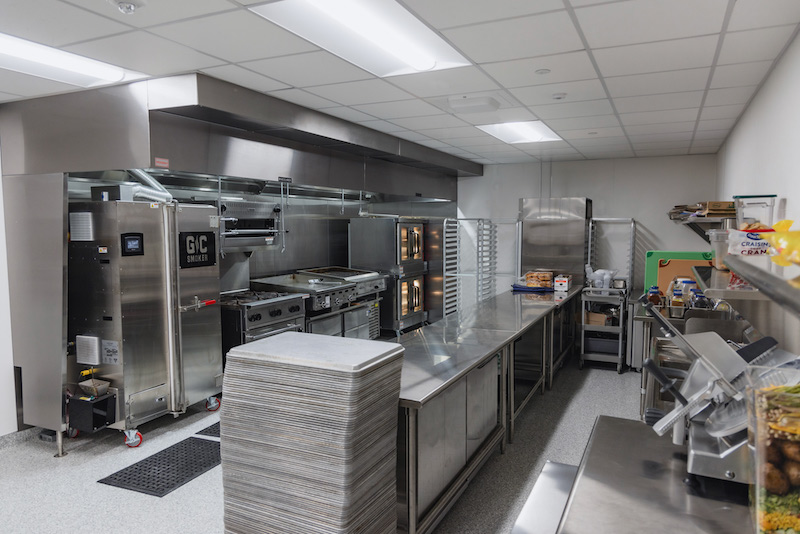
Professional equipment commissioning, repair and maintenance is the process of testing, verifying, optimizing, and maintaining restaurant equipment to ensure it operates efficiently, safely, and according to specifications.
It goes beyond installation by confirming that all systems ovens, refrigeration, dishwashers, and ventilation work seamlessly under real operating conditions.
In simple terms:
Installation sets up equipment, while commissioning ensures it performs correctly and efficiently.
Why Is Equipment Commissioning, Repair & Maintenance Important for Restaurants?
Professional equipment commissioning, repair, and maintenance is essential because it:
- Improves kitchen efficiency
- Reduces downtime and breakdowns
- Ensures safety compliance
- Optimizes energy usage
- Enhances staff productivity
Without commissioning, restaurants risk delays, higher costs, and operational inefficiencies.
Key Benefits of Equipment Commissioning, Repair & Maintenance
1. Streamlined Kitchen Operations
Commissioning ensures all equipment works smoothly during peak hours.
- Consistent performance under heavy load
- Faster prep and service times
- Reduced operational disruptions
2. Better Energy Management
- Optimized energy usage
- Lower electricity and gas bills
- Efficient cooling and heating systems
3. Reduced Downtime and Maintenance
- Early fault detection
- Prevents unexpected breakdowns
- Extends equipment lifespan
4. Improved Staff Performance
- Proper training during commissioning
- Easier equipment handling
- Increased confidence and productivity
5. Seamless Workflow Integration
- Synchronization between kitchen systems
- Smooth coordination between stations
- Elimination of bottlenecks
Risks of Not Commissioning Equipment
Operational Delays
- Equipment failure during peak hours
- Slow service and customer dissatisfaction
Increased Costs
- Higher repair expenses
- Increased energy consumption
Safety Hazards
- Gas leaks
- Electrical faults
- Fire risks
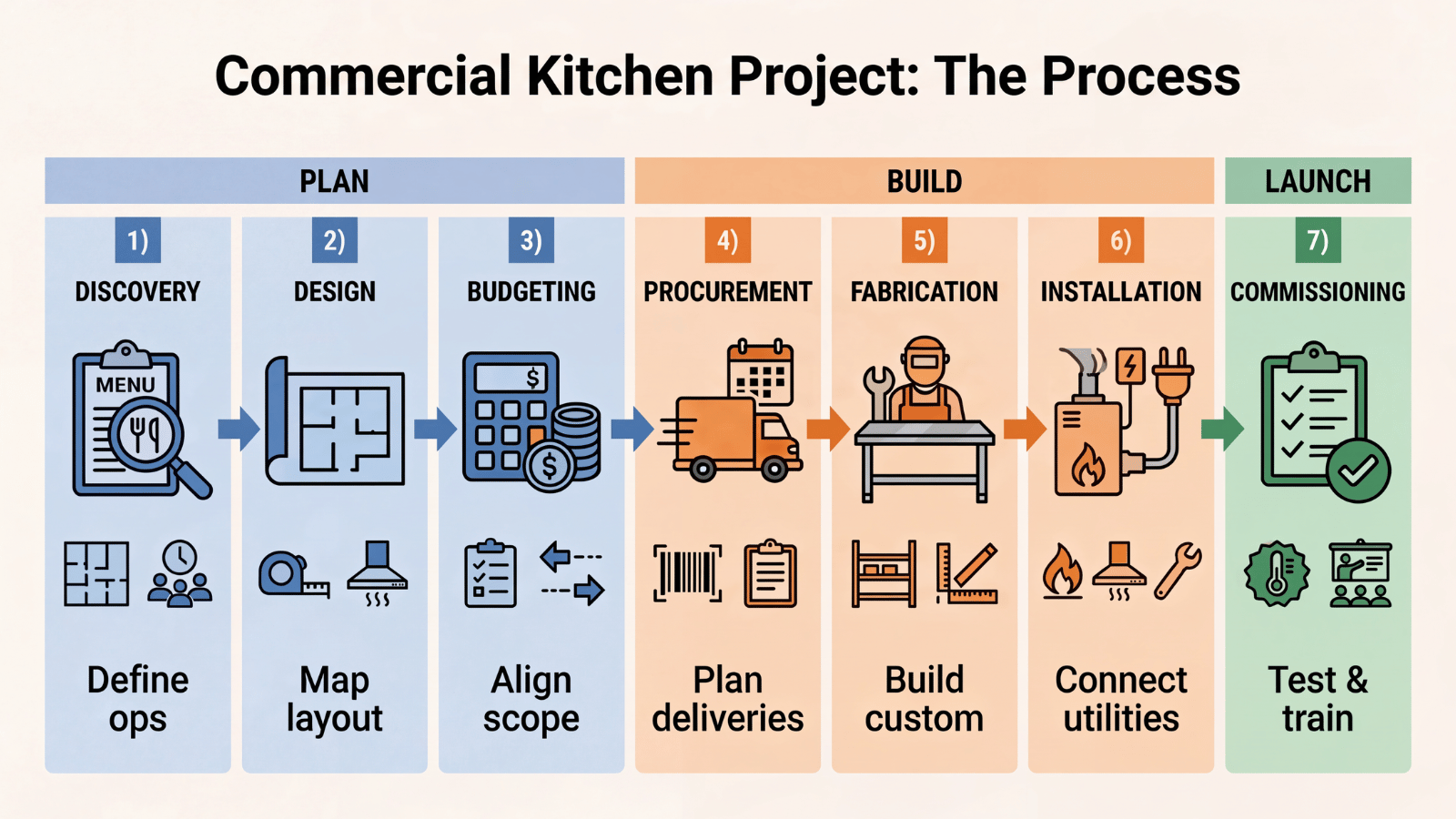
Step-by-Step Equipment Commissioning Process
- Planning & Review
Understand equipment specifications - Inspection
Check for damage or missing parts - Installation Verification
Confirm proper setup and connections - Functional Testing
Test controls and operations - Performance Testing
Simulate real kitchen workload - Safety Checks
Verify gas, electrical, and ventilation systems - Training & Handover
Train staff and provide documentation
Common Mistakes to Avoid
- Skipping commissioning process
- Rushing setup
- Lack of staff training
- Ignoring maintenance planning
ROI of Equipment Commissioning, Repair & Maintenance
Restaurants benefit through:
- Lower operational costs
- Increased efficiency
- Longer equipment life
- Better customer experience
Equipment Commissioning vs Repair vs Maintenance
| Factor | Commissioning | Repair | Maintenance |
|---|---|---|---|
| Purpose | Initial setup & testing | Fix issues | Prevent issues |
| Timing | Before operation | After failure | Ongoing |
| Benefit | Efficiency + safety | Restore function | Extend lifespan |
Industry Insight
- Poorly maintained equipment can increase energy costs by up to 20–30%
- Unplanned downtime can reduce restaurant revenue by 10–15%
- Preventive maintenance can extend equipment lifespan by 40%
FAQs
What is professional equipment commissioning?
It is the process of testing and optimizing restaurant equipment performance to ensure safe and efficient performance.
Why is commissioning important in restaurants?
It improves efficiency, kitchen downtime reduction, and ensures safety compliance.
Does commissioning reduce restaurant costs?
Yes, it lowers energy usage, prevents breakdowns, and reduces maintenance expenses.
How long does commissioning take?
It depends on the size of the kitchen, typically a few hours to several days.
What equipment needs commissioning?
All commercial kitchen equipment including ovens, refrigerators, dishwashers, and ventilation systems.
Can commissioning improve service speed?
Yes, properly functioning equipment helps streamline operations and improve service time.
Who performs commissioning?
Certified technicians or professional service providers.
Is commissioning necessary for new restaurants?
Yes, it ensures everything works correctly before opening.
Conclusion
Professional equipment commissioning, along with proper repair and maintenance, plays a vital role in building an efficient, reliable, and high-performing restaurant kitchen. It ensures that all equipment operates safely, integrates smoothly into workflows, and continues to perform optimally over time. energy-efficient kitchen systems
Professional equipment commissioning plays a vital role in building an efficient, reliable, and high-performing restaurant kitchen. It ensures that all equipment operates safely, integrates smoothly into workflows, and delivers consistent results during peak service hours.
By investing in commissioning, restaurant owners can reduce downtime, control operational costs, and improve overall productivity. It also enhances staff confidence, ensures regulatory compliance, and supports long-term business growth. preventive maintenance
In today’s competitive hospitality industry, commissioning is not just an option it is a strategic investment that directly impacts efficiency, customer satisfaction, and profitability.
Professional commissioning by certified experts ensures compliance with international and Saudi standards.
Call to Action
Looking to improve your restaurant efficiency?
Get Expert Equipment Commissioning, Repair & Maintenance Services
Ensure your restaurant runs efficiently with zero downtime. Contact Saudi Elan today for professional solutions tailored to your kitchen.