

How to Future-Proof a Commercial Kitchen:
Future-proofing a commercial kitchen equipment means designing it with flexibility, scalability, and long-term operational efficiency in mind. A future-ready kitchen can accommodate business growth, new equipment, menu changes, increased production volumes, and evolving regulations without requiring costly renovations or operational disruptions.
For restaurants, hotels, hospitals, central kitchens, and catering facilities in Saudi Arabia, future-proof commercial kitchen planning is essential for sustainable growth and long-term profitability.
Why Future-Proofing Matters in Commercial Kitchen Equipment Design
Many commercial kitchens are designed to meet current operational requirements only. However, successful food service businesses often experience:
- Increased customer demand
- Menu expansion
- Additional service offerings
- New technologies
- Regulatory updates
Without proper planning, expansion can become expensive and disruptive.
Future-proof kitchen design helps businesses:
- Reduce future renovation costs
- Support operational growth
- Improve long-term efficiency
- Increase return on investment
- Maintain compliance as operations expand
In Saudi Arabia’s rapidly growing hospitality and food service sector, expansion-ready kitchens provide a significant competitive advantage.
What Is a Future-Proof Commercial Kitchen?
A future-proof commercial kitchen is designed to adapt to changing business needs without requiring major structural modifications.
It incorporates:
- Flexible layouts
- Scalable utility systems
- Expandable equipment solutions
- Technology-ready infrastructure
- Long-term operational planning
The objective is to ensure the kitchen remains efficient, compliant, and productive as business requirements evolve.
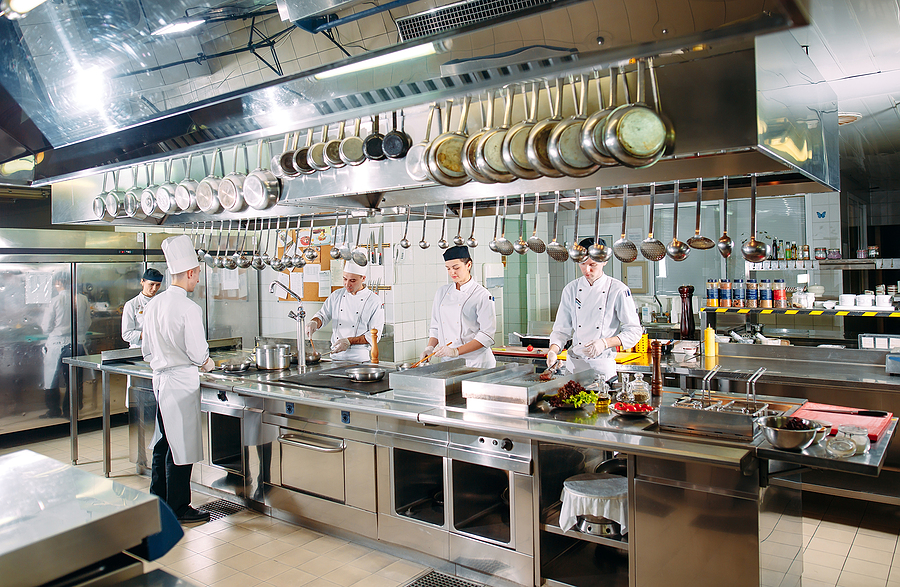
1. Design Flexible & Adaptable Kitchen Layouts
A rigid kitchen layout can quickly become a limitation when operations expand.
Future-proof commercial kitchens prioritize flexibility by creating spaces that can be modified without disrupting workflow.
Benefits of Flexible Layouts
- Easier reconfiguration
- Reduced renovation costs
- Faster expansion projects
- Improved operational adaptability
Modern commercial kitchens increasingly use modular planning concepts that allow workstations and production zones to evolve with business growth.
Best Practice
Create layouts that allow:
- Additional preparation stations
- Expanded cooking lines
- New service areas
- Future equipment integration
2. Plan Utility Infrastructure for Growth
Utilities are the foundation of every commercial kitchen equipment.
Many expansion projects fail because the original kitchen infrastructure cannot support additional equipment.
Future-proof utility planning should consider:
- Electrical capacity
- Gas supply systems
- Water requirements
- Drainage infrastructure
- Ventilation systems
Why It Matters
Insufficient utility capacity often results in:
- Expensive retrofits
- Project delays
- Equipment limitations
- Increased costs
Best Practice
Design utility systems with additional capacity to accommodate future growth.
3. Choose Equipment That Supports Expansion
Commercial kitchen equipment should be selected based on both current and future operational requirements.
Future-ready equipment offers:
- Scalability
- Digital controls
- Energy efficiency
- Upgrade compatibility
Benefits
- Increased operational flexibility
- Better long-term value
- Easier technology integration
- Reduced replacement costs
Partnering with experienced commercial kitchen equipment suppliers helps businesses make smarter investment decisions.
4. Allocate Space for Future Growth
One of the most common kitchen planning mistakes is using every available square meter during initial construction.
Future-proof kitchens intentionally reserve adaptable spaces that can support future expansion.
Areas That May Require Expansion
- Storage rooms
- Preparation areas
- Cooking stations
- Packaging zones
- Staff workspaces
Best Practice
Create buffer zones that can be converted into operational areas as demand increases.
5. Support Menu Expansion & Service Evolution
Food service operations rarely remain static.
Businesses may introduce:
- New menu categories
- Delivery services
- Catering operations
- Specialized production lines
Future-ready kitchens are designed to support these changes without major disruptions.
Benefits
- Faster menu adaptation
- Operational flexibility
- Improved competitiveness
- Better customer responsiveness
6. Integrate Technology-Ready Infrastructure
Technology is transforming commercial kitchen operations.
Future-proof kitchens should be designed to support:
- Smart kitchen systems
- IoT monitoring
- Automated equipment
- Digital management platforms
- Energy management systems
Technology Benefits
- Improved efficiency
- Real-time monitoring
- Better resource management
- Predictive maintenance capabilities
Technology-ready infrastructure ensures businesses remain competitive as innovation continues to evolve.
7. Ensure Long-Term Regulatory Compliance
As operations grow, compliance requirements often become more complex.
Future-proof kitchens should be designed with:
- Food safety regulations
- Fire safety requirements
- Hygiene standards
- Operational zoning
in mind from the beginning.
Benefits
- Reduced compliance risks
- Easier inspections
- Simplified expansion approvals
- Better operational consistency
For businesses operating in Saudi Arabia, proactive compliance planning reduces future operational challenges.
8. Prioritize Maintenance Accessibility
As kitchen operations expand, maintenance requirements increase.
Poorly planned kitchens often make equipment servicing difficult.
Future-ready kitchens ensure:
- Easy equipment access
- Efficient maintenance routes
- Simplified upgrades
- Reduced downtime
Benefits
- Improved equipment lifespan
- Lower maintenance costs
- Faster repairs
- Better operational reliability
9. Design for Workforce Growth
Expansion often means larger teams and increased activity levels.
Future-proof kitchen layouts should support:
- Additional staff
- Improved circulation
- Clear work zones
- Safe movement pathways
Benefits
- Better productivity
- Reduced congestion
- Improved safety
- Higher staff satisfaction
A staff-friendly kitchen design supports operational efficiency during growth phases.
10. Improve Long-Term Cost Efficiency
Future-proofing requires strategic planning rather than unnecessary spending.
Businesses that invest in expansion-ready kitchens often benefit from:
- Lower renovation costs
- Reduced downtime
- Improved operational efficiency
- Longer equipment lifespan
Long-Term Value
A future-proof commercial kitchen reduces the total cost of ownership while supporting continuous business growth.
Future-Proof Kitchen vs Traditional Kitchen
| Traditional Kitchen | Future-Proof Kitchen |
|---|---|
| Designed for current needs | Designed for growth |
| Limited flexibility | Adaptable layouts |
| Difficult expansions | Easy scalability |
| Higher retrofit costs | Lower future costs |
| Limited technology integration | Technology-ready infrastructure |
Key Takeaways
- Future-proof kitchens support long-term business growth.
- Flexible layouts simplify expansion projects.
- Utility planning is critical for scalability.
- Technology-ready infrastructure improves competitiveness.
- Expansion-ready kitchens reduce future renovation costs.
- Proper planning improves operational efficiency and ROI.
Industry Insight
Industry experts estimate that businesses can significantly reduce future renovation costs when scalability and expansion requirements are considered during the initial commercial kitchen design phase.
Future Trends in Expansion-Ready Commercial Kitchens
The next generation of commercial kitchens is expected to focus on:
- Modular kitchen systems
- AI-powered kitchen management
- Automated food production
- Smart energy monitoring
- IoT-enabled equipment integration
These technologies help businesses expand efficiently while maintaining operational performance and sustainability.
FAQs
What does future-proofing a commercial kitchen mean?
Future-proofing means designing a kitchen that can adapt to future growth, technology upgrades, and changing operational requirements.
Why is future-proof kitchen design important?
It reduces renovation costs, supports expansion, and improves long-term operational efficiency.
How can commercial kitchens prepare for expansion?
By implementing flexible layouts, scalable utilities, technology-ready infrastructure, and adaptable equipment solutions.
What role do utilities play in future-proofing?
Utilities determine whether additional equipment and operational capacity can be added in the future.
Are modular kitchens suitable for expansion?
Yes. Modular kitchen systems provide flexibility and make future growth easier to manage.
Can future-proof kitchens improve ROI?
Yes. Expansion-ready kitchens reduce future costs and improve long-term operational performance
Conclusion
Future-proofing a commercial kitchen is one of the most valuable investments a food service business can make. As customer demands, technology, regulations, and operational requirements continue to evolve, businesses need kitchen environments that can grow without costly disruptions.
By prioritizing flexible layouts, scalable utility systems, adaptable equipment, technology integration, and long-term planning, organizations can create commercial kitchens that remain efficient, compliant, and productive for years to come.
For businesses operating in Saudi Arabia’s rapidly expanding hospitality and food service sectors, future-proof kitchen planning is not simply a design strategy it is a business growth strategy that supports long-term success and operational resilience.
Call to Action
Planning a commercial kitchen expansion in Saudi Arabia?
👉 Contact Saudi Elan today for expert commercial kitchen planning, design, equipment integration, commissioning, and expansion-ready solutions tailored to your business goals.