
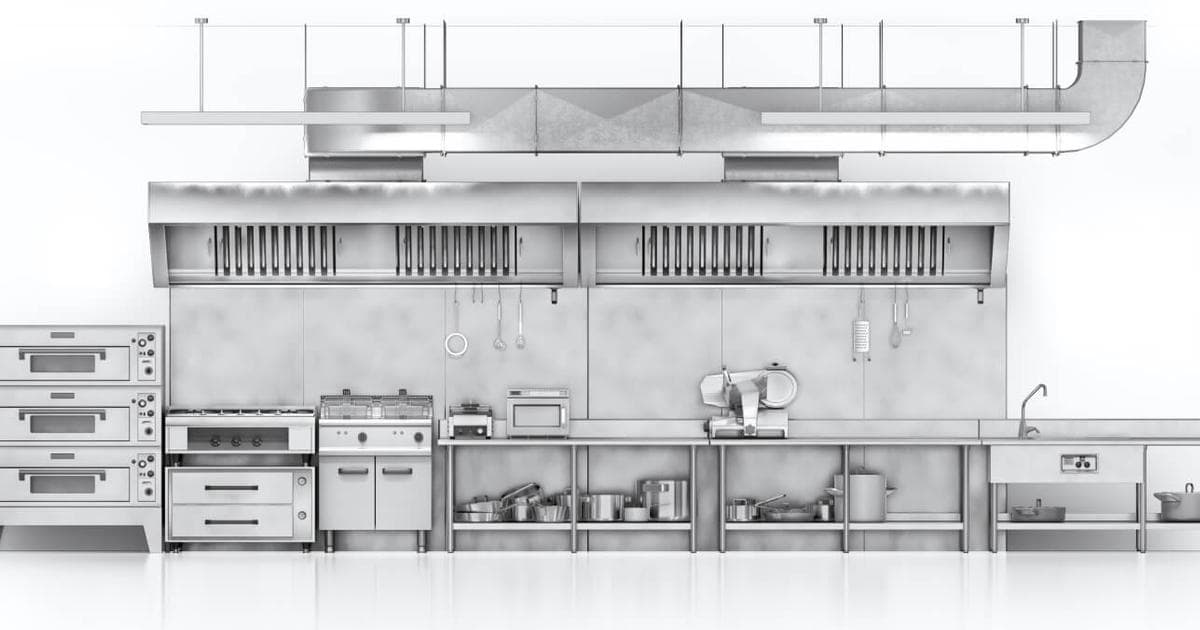
As commercial kitchen design and equipment evolve to meet increasing demands for efficiency, safety, and sustainability, 2026 ushers in a new era of smart, modular, and environmentally friendly solutions. These innovations not only improve workflow and energy usage but also enhance food safety and staff comfort, positioning kitchens for future-ready operations.
Smart Kitchen Technology
The Internet of Things (IoT) is transforming commercial kitchens into highly connected, efficient, and intelligent environments. In 2026, IoT-enabled smart kitchen technology goes far beyond basic connectivity, delivering comprehensive operational insights, seamless control, and predictive intelligence. Here is how smart kitchen technology is shaping modern commercial kitchens:
Real-Time Monitoring and Remote Control
Smart appliances such as ovens, refrigerators, fryers, and dishwashers are now equipped with sensors that constantly monitor variables like temperature, humidity, cooking times, and equipment status. This allows operators to remotely track and control these devices via smartphones, tablets, or desktop interfaces, ensuring processes stay on track even when they are away from the kitchen. This leads to:
- Consistent food quality by maintaining precise cooking conditions.
- Immediate alerts to any anomalies or malfunctions, enabling prompt corrective actions.
- Reduced energy usage by optimizing equipment runtime and avoiding unnecessary power consumption.
Predictive Maintenance for Reduced Downtime
Traditional maintenance often reacts to equipment failure, resulting in costly downtime. IoT systems use sensor data and machine learning algorithms to predict when parts might fail or when servicing is needed. This allows kitchen managers and service providers to schedule maintenance proactively, avoiding unplanned outages that disrupt service and inflate repair costs.
Inventory and Supply Chain Optimization
Integrated IoT devices link kitchen equipment with inventory management systems, automatically tracking usage of ingredients and supplies. These systems generate purchase orders or flag low stock levels in real-time, minimizing waste, preventing shortages, and improving turnover efficiency.
Data Analytics and Operational Insights
Smart kitchens generate vast amounts of data on cooking times, energy consumption, ingredient usage, and equipment performance. Advanced analytics platforms transform this data into actionable insights, helping managers:
- Streamline workflows to improve throughput and reduce bottlenecks.
- Benchmark energy usage and implement cost-saving strategies.
- Adapt menu offerings based on usage and popularity trends.
Automation and AI Integration
The integration of artificial intelligence (AI) complements IoT by automating complex cooking processes and adjusting parameters dynamically based on sensor feedback. Autonomous cooking systems ensure consistent results with minimal manual intervention, freeing staff to focus on higher-value tasks.
Examples of Leading Smart Kitchen Technologies
- Smart ovens like Rational or Unox models provide app-based controls, recipe storage, and remote diagnostics.
- Refrigerators with IoT sensors monitor temperature fluctuations and adjust cooling to optimize energy use and food preservation.
- Automated inventory solutions connect with point-of-sale (POS) systems to synchronize stock levels and procurement workflows.
The future commercial kitchen is not only more connected but also more adaptive, efficient, and safe thanks to smart kitchen technology. Embracing these innovations enables restaurants and foodservice operators to reduce costs, maintain high-quality standards, and enhance operational agility.
Automation and Robotics
Labour shortages and efficiency demands have accelerated robotic adoption in commercial kitchens. Automated food prep systems, such as robotic arms for chopping and mixing, deliver consistent quality while reducing manual labour. AI-powered cooking assistants dynamically adjust cooking times and temperatures for optimal results, ensuring precision and reduced waste.
Energy Efficiency and Sustainability
Energy-conscious designs lead the way with advancements such as induction cooking, which provides faster, more controlled heat with less wasted energy compared to traditional gas stoves. Refrigeration units now use smart cooling systems that adapt temperatures and humidity to actual needs, saving power. Dishwashing equipment incorporates water recycling features and lower energy consumption settings. Eco-friendly materials, including recycled stainless steel and natural coolant refrigerants, further reduce environmental impact.
Modular and Space-Optimized Designs
To accommodate growing urban constraints and menu variety, kitchens embrace modular, multi-functional equipment. Stackable refrigeration, slim-profile ovens, and portable induction cooktops maximize workspace without sacrificing capacity. These flexible setups allow kitchens to adapt swiftly to changing service formats while simplifying maintenance and upgrades.
Enhanced Food Safety
Self-cleaning appliances, antimicrobial surfaces, and automated temperature control technologies improve hygiene and reduce contamination risks. Advanced ventilation systems enhance air quality, removing smoke and odors efficiently, contributing to a safer and more comfortable environment for staff.
Ergonomics and Staff Well-Being
Ergonomic design takes center stage, featuring adjustable workstations, anti-fatigue mats, and well-planned layouts that minimize repetitive strain and improve workflow. Healthier, safer kitchen environments boost employee morale and productivity.
Other Notable Innovations
-
Mobile Kitchen Solutions:
Compact, efficient equipment designed for food trucks and pop-ups extends commercial kitchen capabilities beyond traditional premises.
-
AI and Big Data:
Analytics tools optimize inventory, reduce waste, and forecast maintenance, driving operational efficiency.
-
Speciality Equipment:
Growing trends such as plant-based cuisine and allergen-free food inspire new equipment like gluten-free dough mixers and cold-press juicers.
Commercial Kitchen Design and Equipment.
The 2026 commercial kitchen is smart, sustainable, modular, and human-centric. Adopting these latest design and equipment trends helps foodservice businesses reduce costs, increase efficiency, maintain safety, and deliver consistent quality in a competitive marketplace.
Talk to our team about modern kitchen design solutions tailored to your unique operational needs and prepare for a future-ready culinary environment.
This forward-looking overview integrates cutting-edge innovations and practical design trends shaping commercial kitchens in 2026, blending technology, sustainability, and ergonomics to empower businesses across the hospitality sector.