
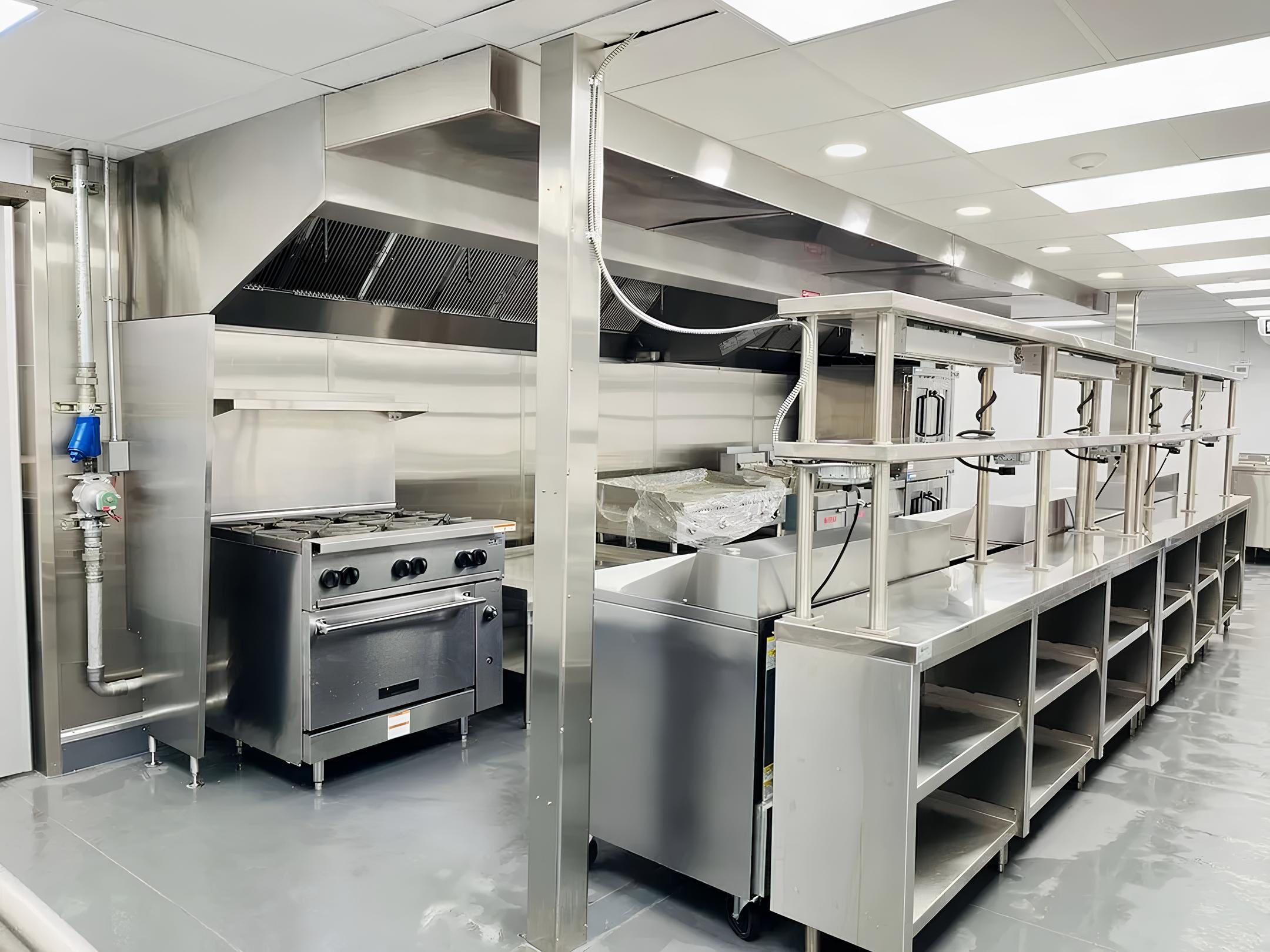
Starting a restaurant or catering business in Saudi Arabia requires meticulous preparation, and choosing the right central kitchen equipment is vital for operational success and food quality. This detailed guide breaks down the essential considerations and equipment that new startups should evaluate for optimal kitchen setups.
Assess Your Business Model and Kitchen Requirements
Begin by understanding your business type, whether it’s a quick-service restaurant, catering company, multi-brand virtual kitchen, or cloud kitchen. Each has unique equipment demands. Evaluate your menu complexity, production volume, and cooking methods to identify necessary appliances. For example, high-volume catering demands large-capacity ovens and walk-in refrigerators, while quick-service kitchens need efficient fryers and prep stations. Also, review your kitchen layout and available space to ensure the equipment fits without disrupting workflow or safety.
Focus on Equipment Quality and Regulatory Compliance
Invest in robust commercial-grade equipment made from food-grade stainless steel, which is preferred in Saudi Arabia for its hygiene and durability. Prioritize brands known for reliability and models certified to meet local health and safety standards, such as SFDA regulations and HACCP or ISO 22000 compliance. Equipment compliance prevents costly regulatory issues and upholds food safety.
Energy Efficiency and Maintenance are Key Considerations
Commercial kitchens consume significant energy, so choosing energy-efficient ovens, refrigerators, and dishwashers reduces operating costs and aligns with sustainable practices. Select appliances designed for easy cleaning and routine maintenance, minimizing downtime and maintaining hygiene in compliance with Saudi foodservice regulations.
Essential Central Kitchen Equipment Breakdown
- Cooking appliances: Commercial ovens (convection, combi), gas ranges with multiple burners, salamander grills, char broilers, griddles, commercial fryers, sous vide machines, and specialty items like shawarma machines.
- Refrigeration: Walk-in coolers and freezers, upright fridges, prep refrigerators, and specialized display chillers with temperature control suitable for different food categories.
- Food preparation: High-capacity mixers, slicers, food processors, blenders with tamper controls, pasta cookers, and steam kettles to improve speed and consistency.
- Food storage: Stainless steel shelving systems and containers for dry goods and ingredients that ensure order and hygiene.
- Cleaning and sanitation: Industrial dishwashers, multiple handwashing stations, and three-compartment sinks for effective sanitation protocols.
Planning Your Kitchen Layout for Maximum Efficiency
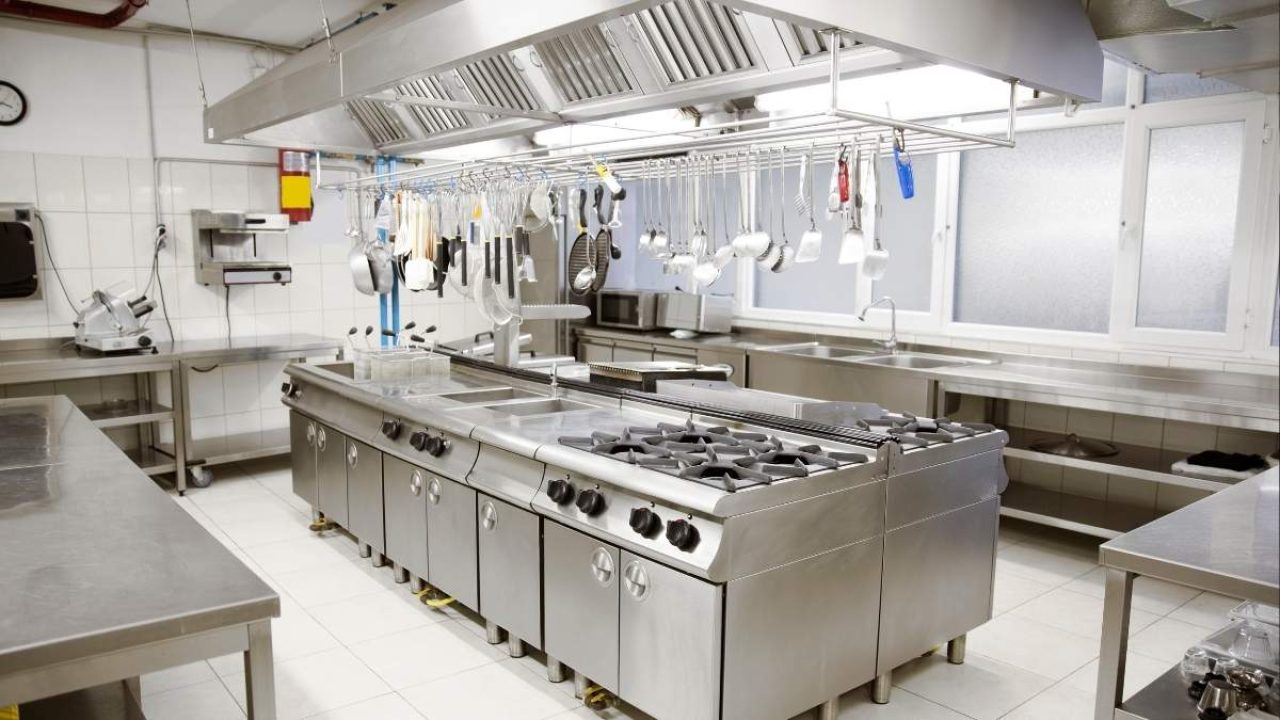
A well-designed kitchen layout is critical to the operational success of your restaurant or catering business. It influences workflow, safety, hygiene, and overall productivity. Here’s a detailed expansion on key aspects to consider for optimizing your kitchen layout:
-
Workflow Optimization
Design the kitchen to facilitate a seamless flow of food from delivery to preparation, cooking, and plating, without crossing paths unnecessarily. Create distinct zones such as receiving, storage, prep, cooking, plating, and cleaning. Position these zones in a logical sequence to minimize staff movement and reduce operational bottlenecks. For example, place refrigeration near prep stations, and ensure cooking appliances are close to plating areas.
-
Work Zones and Stations
Divide the kitchen into specific zones based on functions:
- Preparation Zone: Equipped with cutting tables, mixers, slicers, and prep refrigerators.
- Cooking Zone: Contains ovens, fryers, grills, and stoves, designed for high efficiency and safety.
- Plating & Service Zone: Near the service counters for quick plating and dispatch.
- Cleaning & Sanitation Zone: Includes dishwashers, sinks, and waste disposal areas, segregated from food prep zones to ensure hygiene.
-
Safety and Hygiene Standards
Design your kitchen to meet local safety and hygiene regulations. Ensure proper separation of raw and cooked food, with physical barriers or air gaps. Install slip-resistant, grease-resistant flooring that’s easy to clean. Include sufficient ventilation and proper exhaust hoods to remove heat, smoke, and odours, especially important in the Saudi climate.
-
Adequate Space and Clearance
Provide sufficient working space, typically at least 1200mm (about 4 feet) clearance in front of workstations. Maintain a minimum of 900mm (about 3 feet) between work surfaces and equipment for ease of movement. Allow space for staff to comfortably perform tasks without crowding, which enhances safety and efficiency.
-
Storage Solutions
Design ample storage areas for dry goods, refrigerated ingredients, and utensils. Use stainless steel shelving for durability and cleanliness. Position storage close to preparation zones but separately from waste and chemical storage to prevent cross-contamination.
-
Equipment Placement and Ventilation
Industrial cooking equipment, such as ovens, fryers, and grills, should be positioned to maximize ventilation and fire safety. Ensure fire suppression systems are accessible and compliant with local fire codes. Proper placement reduces heat exposure for staff and helps maintain a safe, comfortable working environment.
-
Future Scalability
Design the layout to accommodate future growth, whether expanding capacity or diversifying your menu. Modular furniture and versatile equipment layouts enable expansion without major renovations.
-
Collaboration with Kitchen Planners and Suppliers
Work with professional kitchen designers and suppliers familiar with Saudi regulations and standards. Companies like Saudi Elan provide CAD-designed layouts tailored for your space, integrating compliance, efficiency, and durability from the start.
Leverage Expert Consultation and Supplier Support
Engage with experienced kitchen equipment suppliers in Saudi Arabia who offer end-to-end services, from kitchen design consultancy and custom stainless-steel fabrication to installation, testing, commissioning, and ongoing maintenance. Leading providers like Saudi Elan understand local market needs and ensure equipment meets Saudi Arabia’s specific climate and regulatory requirements for commercial kitchens. Working with Saudi Elan guarantees tailored solutions that optimize performance, hygiene, and energy efficiency.
Plan for Scalability and Long-Term Investment
Your choice of equipment should support scalable operations and evolving menu offerings as your business grows. Durable, energy-efficient, and compliant appliances reduce long-term costs and downtime while reinforcing your brand’s reputation for quality and safety.
For new startups in Saudi Arabia seeking reliable central kitchen equipment and expert support, Saudi Elan is your trusted partner. From consultation and design to supply, installation, and dedicated after-sales service, Saudi Elan ensures your kitchen is operationally efficient and compliant with all local standards. Contact Saudi Elan today to discuss your project requirements and receive tailored guidance that will set your business on a successful growth path.