
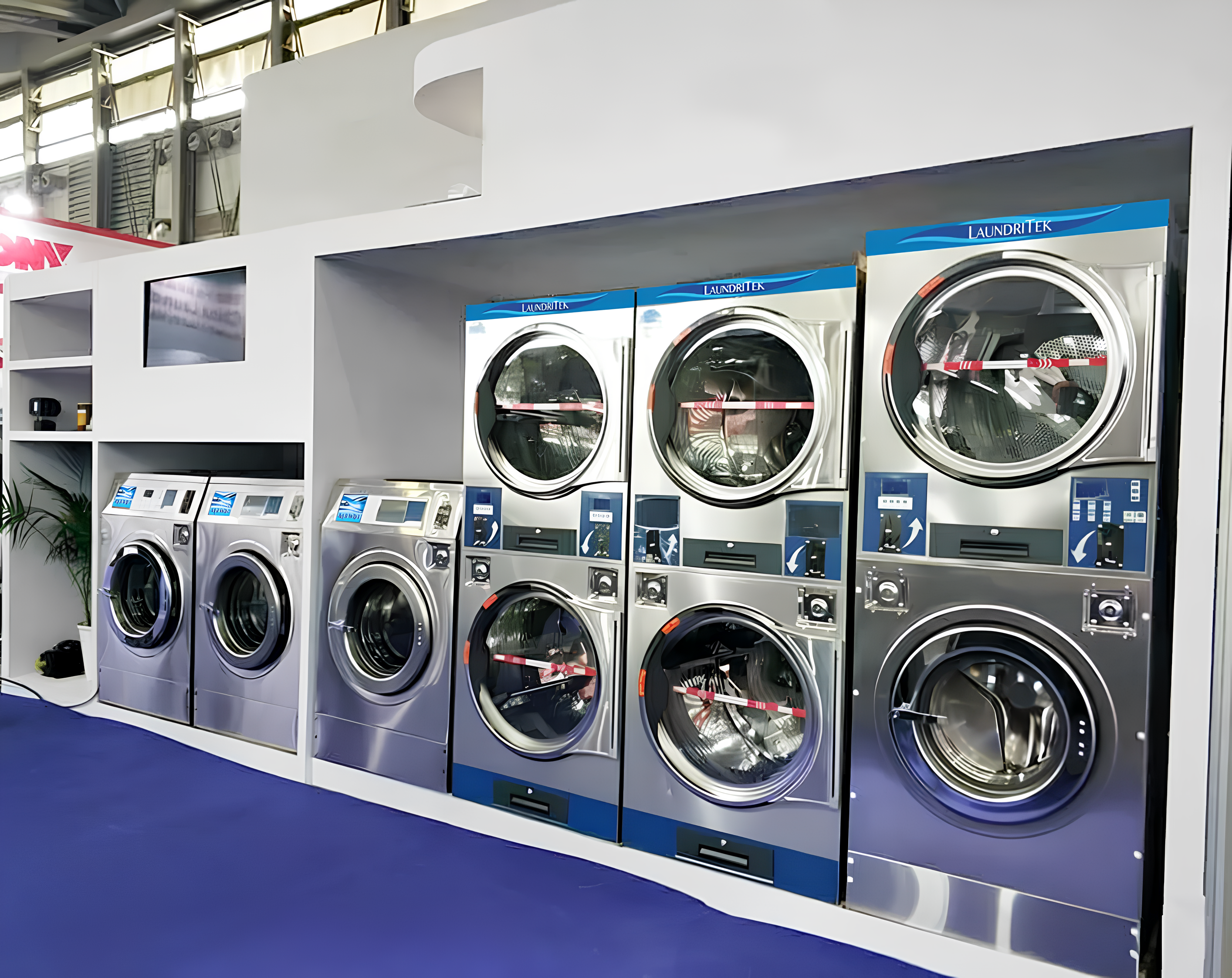
Industrial laundry equipment is indispensable for commercial laundry, hospitality sectors, healthcare, and large facilities. Efficient operation depends largely on the condition and performance of washers, dryers, and associated machinery. However, mechanical or electrical issues can interrupt workflows. This extended guide covers common problems experienced in industrial laundry equipment and provides practical solutions, helping you maintain optimal productivity.
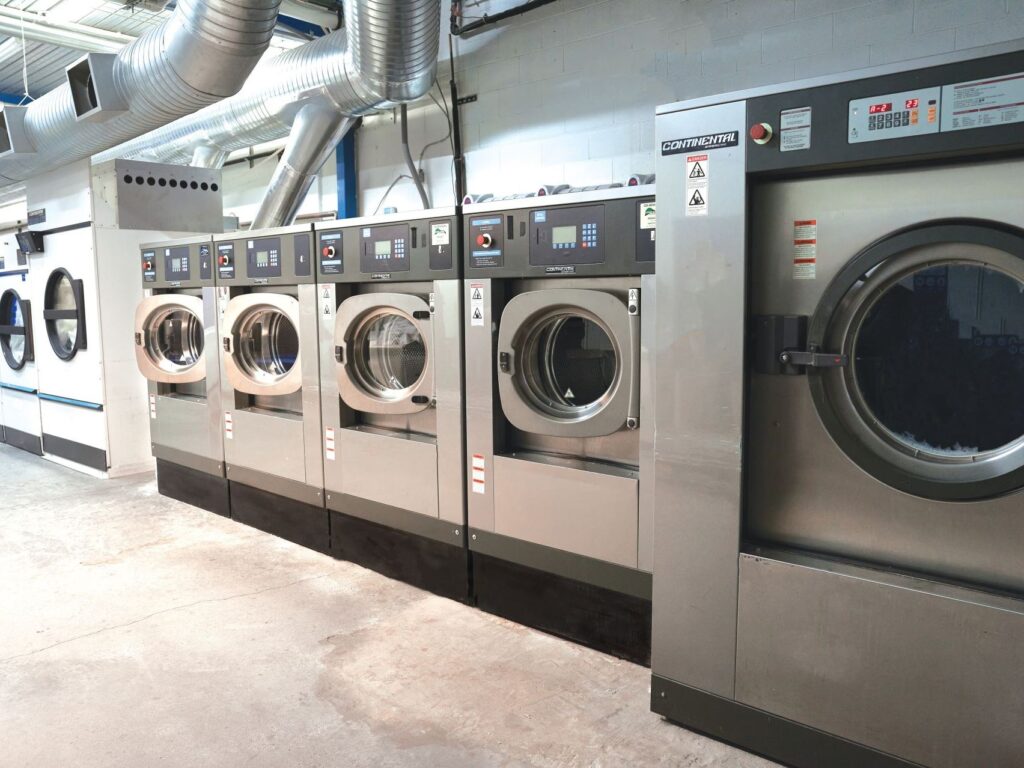
Washing Machine Won’t Start
Several issues can prevent a washing machine from starting. One common cause is power supply disruptions, such as blown fuses or tripped breakers. It is essential to verify the power connections to ensure that electricity is reaching the machine properly and to reset any circuit breakers or replace fuses if necessary. Another frequent reason is the faulty door lock mechanism.
Most modern washing machines have safety features that prevent the cycle from starting if the door is not securely locked. Inspect the door lock for physical damage, misalignment, or failure; replacing it may be necessary if it is defective. Additionally, the control board or start switch may malfunction, preventing the machine from powering on. Diagnosing and repairing control board issues requires professional service, as replacements might be needed to restore proper function.
Water Filling Issues
If the washing machine does not fill with water properly, several components can be at fault. Clogged or dirty water inlet filters can restrict water flow into the machine; these filters should be cleaned regularly or replaced if damaged to maintain adequate water intake. Water inlet valves that fail to open or close correctly can also create filling problems; defective valves require replacement. Insufficient water pressure or closed supply valves can prevent adequate water flow into the washer, and these should be inspected to ensure the water source is functioning, and valves are fully open.
Draining or Spinning Failures
Water drainage or spin cycle failures are often caused by physical blockages or mechanical faults. Drainage hoses that are blocked or kinked can prevent water from exiting the machine properly; it is important to clear any obstructions and ensure hoses are straightened for smooth flow. Drain pumps or belts may wear out or break over time, necessitating repair or replacement to restore proper function. Additionally, unbalanced laundry loads can cause the washing machine to stop spinning as a safety measure. Properly distributing laundry inside the drum helps avoid this problem.
Excessive Vibrations and Noise
Uneven or unbalanced laundry loads are the leading cause of excessive vibration and noise during washing or spinning cycles. Redistributing clothes evenly inside the drum can solve most vibrations. Over time, worn suspension springs or shock absorbers that dampen movement can cause the machine to shake excessively; these components should be inspected and replaced as needed. Uneven flooring where the machine is placed can also cause instability; using adjustable levelling feet to balance the machine helps reduce vibrations.
Poor Cleaning Performance
Several factors contribute to poor washing and rinsing results. Overloading the washer reduces the effectiveness of agitation and detergent performance, preventing clothes from getting clean; always adhering to recommended load capacities. Using incorrect or low-quality detergents or setting incompatible water temperatures can also affect cleaning efficiency; it is best to follow manufacturer’s recommendations for detergents and cycle settings. Internal components, such as wash compartments or detergent dispensers, may become clogged with residue over time, requiring regular cleaning to maintain optimal function.
Heating Problems
Industrial washing machines rely on water heating elements to achieve the proper temperature for cleaning. Defective heating elements can cause the machine to fail to heat water, requiring inspection and replacement. Malfunctioning thermostats or control boards can disrupt the regulation of water temperature, affecting wash quality. It is also important to check all electrical connections and fuses associated with the heating system to ensure they are intact and functioning.
Door or Lid Lock Issues
Safety interlocks in industrial washing machines prevent doors or lids from opening during operation to avoid accidents. However, electronics or locking mechanisms can malfunction, causing the door to remain locked even after the cycle has finished. In such cases, professional repair is strongly advised to safely reset or replace locking components.
Dryer Specific Problems
Dryers in industrial laundry setups face their unique challenges. Clogged lint filters or blocked exhaust vents reduce airflow, which hinders the drying process and increases fire risk; regular cleaning of these components is critical. Heating element failures affect the machine’s ability to generate heat, requiring timely replacement of faulty parts. Wear and tear on drums and belts can produce unusual noises or stop the drum from rotating, necessitating inspection and maintenance.
Preventive Maintenance Tips to Avoid Common Problems Industrial laundry Equipment.
- Regularly clean filters, vents, hoses, and drainage systems to prevent blockages and buildups that impair function.
- Conduct frequent inspections of electrical components, belts, seals, and mechanical parts to spot issues early.
- Train staff on proper loading practices, cycle selection, and routine cleaning procedures to minimize user errors.
- Schedule periodic professional maintenance for comprehensive diagnostics, adjustments, lubrication, and parts servicing.
- Maintain detailed maintenance logs to track equipment conditions, identify recurring issues, and plan servicing efficiently.
By addressing these common issues in a timely and systematic manner, industrial laundry operators can significantly reduce downtime, extend the life of their machinery, and improve overall operational efficiency.
Why Professional Repair Services are Essential
Industrial laundry equipment can be complex, requiring specialized knowledge and tools to be repaired safely and correctly. Partnering with experienced service providers ensures accurate fault diagnosis, genuine parts replacement, and compliance with safety standards. This reduces downtime and prolongs machinery’s lifespan.
Book a Repair Service Today
For complex malfunctions beyond routine fixes, timely professional repairs are critical. Book a repair service with Saudi Elan , which specialize in industrial laundry equipment repair and maintenance. Prompt intervention safeguards your investment and ensures uninterrupted operations.
Understanding common industrial laundry equipment issues and how to address them empowers managers to maintain efficient laundry workflows. Combined with preventive maintenance and professional repair partnerships, you can minimize equipment failure risk, enhance reliability, and extend machinery life.
Contact qualified technicians today to schedule maintenance or repairs, securing the performance and longevity of your industrial laundry equipment.