

Maintaining commercial kitchen equipment servicing through regular maintenance is essential for running an efficient and profitable foodservice operation. Well-maintained appliances work reliably, conserve energy, ensure food safety, and help avoid unexpected breakdowns that disrupt service. Implementing a structured servicing plan backed by expert support is a proven way to safeguard your investment and optimize daily operations.
Benefits of Commercial Kitchen Equipment Servicing
Regular equipment servicing in commercial kitchen equipment offers a wide range of benefits that directly impact business efficiency and profitability. Consistent maintenance ensures that appliances operate at peak performance, preventing unexpected breakdowns that can disrupt operations and cause costly downtime. It helps prolong the lifespan of expensive kitchen equipment by reducing wear and tear through timely cleaning, lubrication, and part replacement.
Regular servicing also enhances energy efficiency, lowering utility bills by keeping equipment running optimally and avoiding wasteful power consumption. Moreover, it supports food safety and hygiene by ensuring that cooking, refrigeration, and ventilation systems function correctly and meet health regulations. Another crucial advantage is the reduction in emergency repair costs, as preventive maintenance addresses minor issues before they escalate into major problems.
Overall, regular equipment servicing leads to smoother kitchen workflows, consistent food quality, and a safer work environment, making it a vital investment for any commercial kitchen aiming at long-term success.
Operational Continuity
Regular servicing identifies minor faults or wear before they cause serious malfunctions. Timely repairs minimize downtime, ensuring kitchen processes remain uninterrupted during peak periods. Consistent equipment performance helps maintain expected food quality and service speed, enhancing customer satisfaction and staff productivity.
Prolonged Equipment Life
Cleaning, lubrication, inspection, and replacement of worn parts prevent premature ageing and deterioration. Studies show preventive maintenance can extend kitchen equipment lifespan by 30-50%, reducing capital expenditure on replacements and improving overall return on investment.
Energy Efficiency and Cost Savings
Serviced machines operate more efficiently, consuming less power, water, and fuel. For example, clean compressor coils improve refrigeration efficiency, while properly calibrated ovens avoid unnecessary heat loss. These savings translate to lower utility bills and improved profitability.
Compliance with Food Safety and Health Regulations
Routine cleaning and servicing support the hygienic conditions required in foodservice establishments. Maintaining equipment in optimal condition reduces contamination risks and helps pass health inspections. Well-functioning ventilation and grease management systems also reduce fire hazards.
Reduced Emergency Repairs
Scheduled servicing allows for planned maintenance downtime rather than disruptive emergency repairs. Emergency breakdowns often incur higher repair costs and extend downtime, impacting revenues and brand reputation.
Components of an Effective Servicing Program
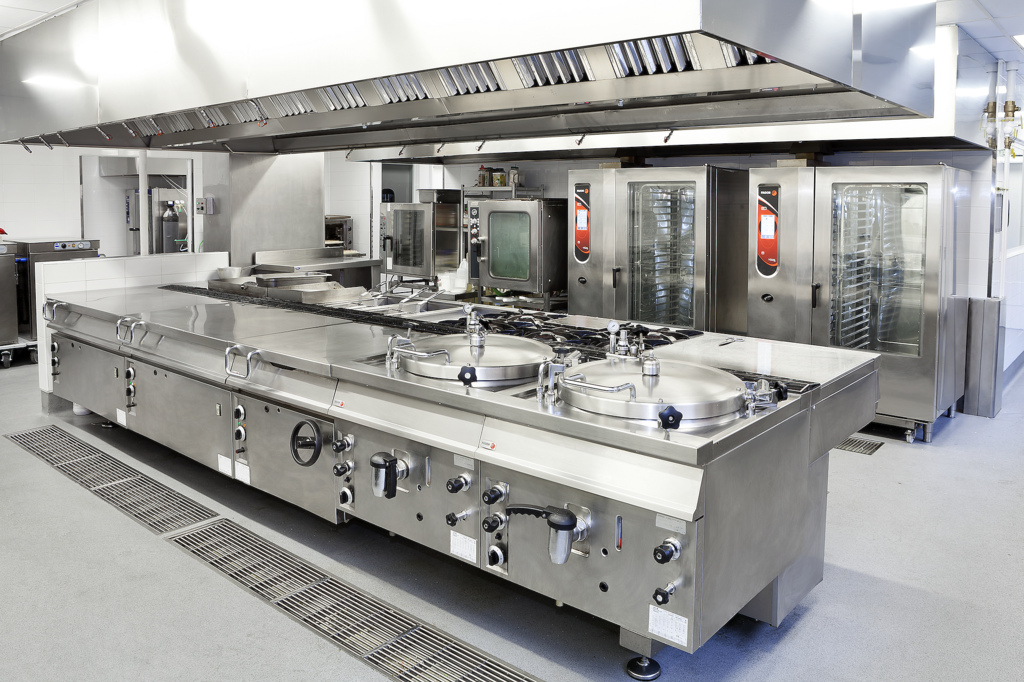
An effective commercial kitchen equipment servicing program is a multi-faceted approach designed to ensure optimal performance, longevity, and safety of all kitchen appliances. Key components include:
-
Scheduled Regular Inspections:
Routine inspections are critical to identify potential issues early. These include visual checks of appliances such as ovens, refrigerators, fryers, and ventilation systems. Inspection frequency depends on equipment usage but typically ranges from daily basic checks, weekly reviews, to more detailed monthly or quarterly evaluations of components such as heating elements, seals, and electrical connections.
-
Cleaning Protocols
Daily and periodic cleaning routines prevent grease buildup, food debris accumulation, and contamination risks. This includes wiping down surfaces, emptying grease traps, cleaning ventilation filters, descaling dishwashers, and deep cleaning ovens and fryers. Scheduled deep cleans remove residues that degrade equipment efficiency and hygiene.
-
Timely Replacement of Wearable Parts
Parts like gaskets, O-rings, filters, belts, and seals wear out with use. A servicing program includes routine replacement schedules based on manufacturer guidelines and operational data to avoid breakdowns and maintain appliance efficiency.
-
Calibration and Testing
Accurate performance relies on precise calibration. Calibrating temperature sensors, thermostats, timers, and safety devices ensures consistent cooking results and compliance with food safety standards. Regular testing detects deviations that require adjustment.
-
Professional Maintenance Service
Incorporating certified technicians for advanced servicing is essential. Professionals handle repairs, complex inspections, gas and electrical system checks, and detailed cleaning beyond daily staff capabilities. Such expertise minimizes downtime and ensures compliance with regulatory requirements.
-
Documentation and Record-Keeping
Maintaining detailed logs of inspections, cleanings, repairs, part replacements, and calibration results supports tracking equipment health, helps with warranty claims, and meets health and safety inspections.
-
Training and Staff Involvement
Educating kitchen staff on daily commercial kitchen equipment maintenance tasks, proper equipment use, and prompt reporting of anomalies fosters a proactive maintenance culture that extends equipment life and efficiency.
-
Emergency and Responsive Repairs
An effective servicing program includes procedures for rapid response to breakdowns, minimizing disruption. Having service contracts with guaranteed response times and access to genuine spare parts is crucial.
By combining these components into a structured servicing program, commercial kitchens can maximize efficiency, reduce operating costs, increase commercial kitchen equipment lifespan, and enhance food safety and compliance.
Daily and Weekly Cleaning
- Wipe down surfaces, clean grease filters, and remove food debris
- Empty grease traps and clean ventilation hoods regularly
Monthly and Quarterly Inspections
- Check seals, door gaskets, electrical connections, and gas fittings
- Inspect and calibrate temperature controls, thermometers, and timers
Scheduled Professional Maintenance
- Deep clean ovens, fryers, and refrigeration coils
- Replace worn belts, bearings, filters, and other consumables
- Perform safety checks on gas lines, electrical components, and fire suppression systems
Advantages of Maintenance Contracts and After-Sales Support
- Planned schedules ensure consistent servicing aligned with manufacturers’ guidelines
- Priority call-outs reduce response times to unexpected issues
- Access to genuine spare parts maintains warranty and equipment integrity
- Expert advice and training empower kitchen staff to perform daily equipment care
- Cost-effectiveness through bundled service packages and discounted repairs
Why Choose Saudi Elan for Maintenance in Saudi Arabia?
Saudi Elan is a trusted provider of commercial kitchen equipment contracts offering customized maintenance plans specific to your equipment and operational needs. Their technicians bring specialized expertise to diagnose issues early and keep appliances performing at peak levels. Regular servicing with Saudi Elan minimizes business disruption and prolongs equipment life while supporting energy efficiency and safety compliance.
Join our annual maintenance program today and experience peace of mind knowing critical kitchen equipment is professionally cared for year-round. Contact Saudi Elan to tailor a maintenance plan for your facility’s unique requirements.
Regular commercial kitchen equipment is essential to business efficiency. It prevents downtime, reduces costs, extends appliance lifespan, and safeguards food safety standards. Service contracts and professional after-sales support transform maintenance from a reactive challenge into a strategic advantage, helping your kitchen deliver consistent, high-quality service.
FAQ
What is commercial kitchen equipment servicing?
Commercial kitchen equipment servicing includes regular inspection, cleaning, calibration, and repair of appliances to maintain performance and safety.
How often should kitchen equipment be serviced?
Most commercial kitchen equipment should be serviced quarterly or annually depending on usage and manufacturer recommendations.