

Common Mistakes to Avoid When Setting Up Central Kitchen and Laundry Equipment
Setting up central kitchen and laundry equipment is a critical milestone for any hospitality or food service operation. It promises streamlined workflows, consistent output, and operational efficiency but only when executed correctly.
Rushing the process or overlooking key details can lead to costly disruptions, equipment failures, and operational inefficiencies.
In this guide, we explore the most common mistakes teams make when installing central kitchen and laundry equipment and how to avoid them for long-term success.
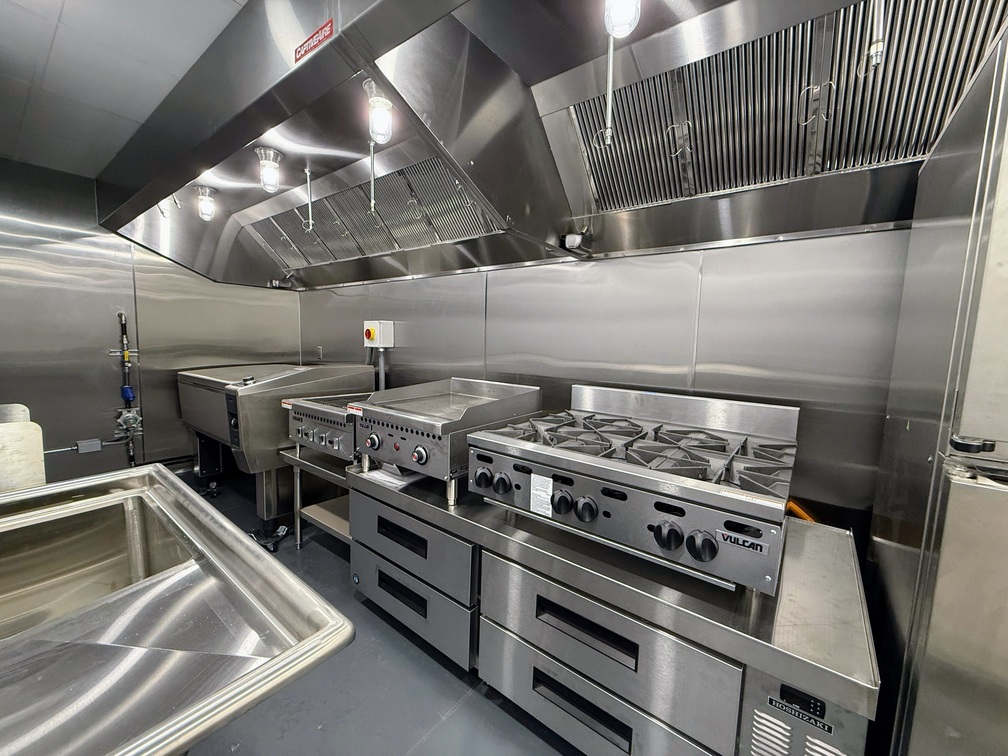
1. Overlooking Space Planning and Layout Optimization
One of the most common mistakes in central kitchen and laundry equipment setup is poor space planning. Many teams begin installing equipment without fully mapping out the available area, resulting in inefficient workflows and congestion.
For example, placing a combi oven too close to a washer-extractor may restrict access and create safety hazards.
How to Avoid This Mistake
-
Create a detailed floor plan before installation
-
Ensure enough space for maintenance and movement
-
Use 3D layout visualization from suppliers
-
Design clear workflow zones (prep, cooking, cleaning)
Proper layout planning ensures smooth operations and maximizes efficiency.
2. Ignoring Utility Requirements and Infrastructure Compatibility
Another major issue with central kitchen and laundry equipment installation is failing to assess utility requirements. Equipment such as steamers, dryers, and washers require specific electrical, gas, and water connections.
Older infrastructure may not support high-capacity machines, leading to costly upgrades.
Best Practices
-
Conduct a full site audit
-
Verify voltage, amperage, and water pressure
-
Check drainage and ventilation systems
-
Ensure floor load capacity for heavy machines
Proper planning prevents delays and ensures seamless installation.
3. Neglecting Ventilation and Airflow Management
Poor ventilation can severely impact the performance of central kitchen and laundry equipment. Kitchens generate heat and grease, while laundries produce humidity and lint.
Without proper airflow:
-
Equipment lifespan decreases
-
Air quality worsens
-
Energy efficiency drops
Recommended Solutions
-
Install commercial-grade exhaust systems
-
Use grease filters and makeup air systems
-
Add dehumidifiers in laundry areas
-
Schedule regular maintenance
Effective ventilation improves safety and operational efficiency.
4. Skipping Operator Training and Ergonomic Design
Even the best central kitchen and laundry equipment will underperform without proper training. Many teams overlook this step, leading to misuse and inefficiencies.
Key Improvements
-
Provide hands-on training from suppliers
-
Use ergonomic workstation designs
-
Install easy-to-reach control panels
-
Offer quick-reference guides for staff
Well-trained operators ensure maximum productivity and fewer errors.
5. Underestimating Maintenance and Cleaning Access
Lack of maintenance access is a frequent mistake in central kitchen and laundry equipment setup. Tight layouts make servicing difficult and increase downtime.
Smart Planning Tips
-
Allow clearance around equipment
-
Use stainless steel surfaces for easy cleaning
-
Install accessible panels and components
-
Follow daily cleaning checklists
This extends equipment lifespan and ensures hygiene compliance.
6. Ignoring Energy Efficiency and Sustainability
Failing to choose energy-efficient central kitchen and laundry equipment leads to higher operational costs.
Sustainable Solutions
-
Use energy-efficient models with eco modes
-
Install heat recovery systems
-
Choose water-saving laundry machines
-
Monitor usage with smart systems
Sustainability improves cost savings and brand reputation.
7. Disregarding Scalability and Future Expansion
Many setups fail because they are not designed for growth. Fixed layouts limit expansion as demand increases.
Future-Proof Your Setup
-
Use modular equipment systems
-
Plan for additional capacity
-
Install scalable production lines
Flexibility ensures long-term operational success.
8. Overlooking Compliance and Safety Standards
Compliance is critical when installing central kitchen and laundry equipment. Ignoring safety regulations can result in fines or shutdowns.
Must-Have Safety Measures
-
Install emergency shut-off systems
-
Ensure proper grounding and wiring
-
Use non-slip flooring
-
Follow fire and sanitation codes
Partnering with professionals ensures full compliance.
Conclusion
Avoiding these common mistakes in central kitchen and laundry equipment setup ensures smooth operations, reduced costs, and long-term efficiency.
By focusing on planning, training, compliance, and scalability, your facility can operate at peak performance while meeting industry standards.