
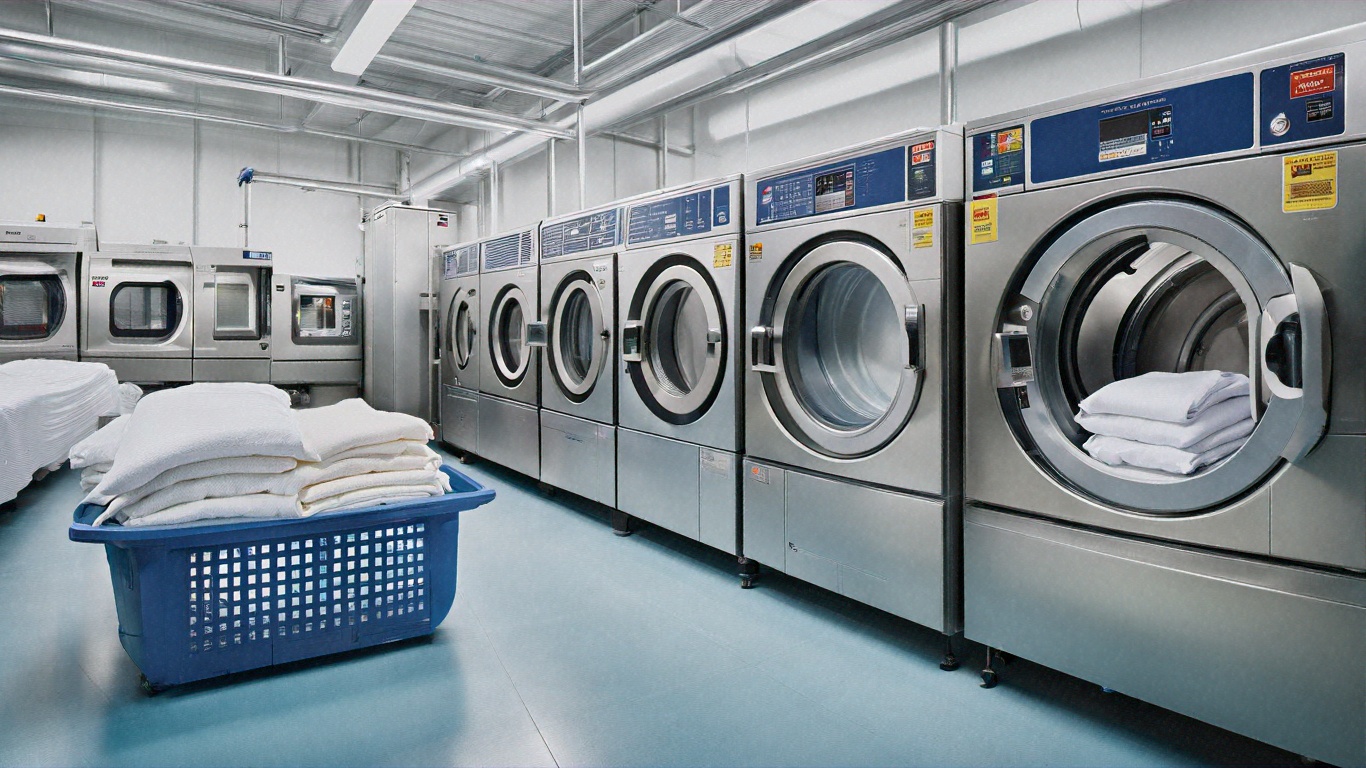
Hotels and hospitals handle large volumes of laundry daily, including bed linens, towels, uniforms, and specialized textiles. Selecting the right commercial best Laundry Equipment for these sectors is crucial to maintaining operational efficiency, ensuring hygiene compliance, and controlling costs. The choice of equipment shapes the overall workflow, turnaround times, and quality of laundry services, so it’s important to consider the unique needs of each facility.
Key Factors in Selecting Commercial Best Laundry Equipment
Capacity and Throughput
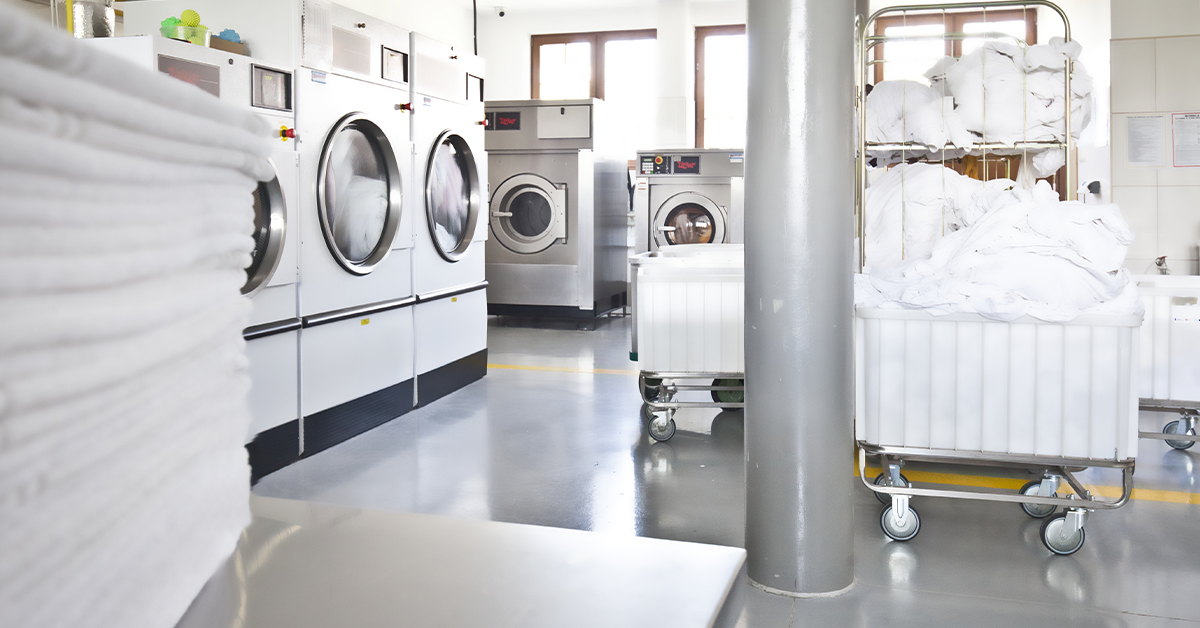
One of the most critical considerations when selecting commercial laundry equipment is ensuring the machines’ capacity and throughput match the volume of laundry generated. For hotels, this involves calculating daily laundry output based on the number of rooms, occupancy rates, and additional factors such as restaurants, spas, or pools. Hotels tend to process mixed fabric loads with moderate soiling, linens, towels, staff uniforms, and tablecloths, requiring machines that handle a variety of textiles efficiently. For example, a 150-room hotel at 75% occupancy might handle approximately 1,575 pounds of laundry per day.
Hospitals, on the other hand, often face higher volume demands coupled with stricter hygiene requirements. They handle large quantities of heavily soiled bedding, gowns, uniforms, and cleaning cloths with frequent changing cycles. Machines in hospital laundries typically have higher capacities, often ranging from 60 to over 135 pounds per load, designed for rigorous & continuous operation.
Choosing the right capacity has several benefits:
- Reduces the number of cycles required to complete daily laundry, saving time and energy.
- Prevents overloading, which can damage fabrics and appliances.
- Ensures faster turnaround to meet hospitality and healthcare operational schedules.
Hygiene and Compliance
Especially critical in healthcare environments, laundry machines must support stringent sanitation protocols to minimize infection risks. This includes:
- High-temperature wash cycles or thermal disinfection programs that kill bacteria and viruses.
- Chemical disinfection options integrated with washing cycles for fabrics that cannot tolerate high heat.
- Separate processing for contaminated versus clean linens to prevent cross-contamination.
- Features like anti-microbial drum linings and hygienic designs that reduce bacteria buildup inside equipment.
For hotels, while hygiene standards are not as strict as hospitals, machines must care for delicate linens, prevent cross-contamination between different types of laundry, and meet local health and safety code requirements.
Efficiency
Energy and water consumption represents significant expenses in commercial laundry operations. Modern commercial laundriesprioritize:
- Energy-efficient motors, water-saving wash cycles, and fast extraction speeds to reduce drying time.
- Machines that achieve quick heat-up times and utilize heat recovery systems to cut utility costs.
- Certifications such as ENERGY STAR® that demonstrate compliance with efficiency standards.
Efficient laundry equipment lowers operational costs, reduces environmental impact, and helps businesses meet sustainability goals, which is increasingly important for both hospitality and healthcare sectors.
Fabric Care
Protecting the integrity and appearance of linens and uniforms is essential. Key features to look for include:
- Programmable wash cycles to adjust temperature, agitation, and spin speed based on fabric type and soil level.
- Gentle handling technologies to prevent excessive wear and damage to delicate fabrics common in hotels.
- Specialized cycles for stain removal, quick drying, and other needs unique to hospitality or medical textiles.
- Use of stainless-steel drums and smooth interiors to minimize fabric abrasion.
Durability and Reliability
Commercial laundry machines must withstand heavy and continuous use. Durable construction extends the equipment life and reduces service interruptions:
- Heavy-gauge stainless steel components or corrosion-resistant materials endure demanding laundry environments.
- Shock-absorbing suspension systems reduce vibrations and noise, improving machine stability.
- User-friendly design minimizes operator error and simplifies daily maintenance.
- Reliable control systems and robust electrical components enhance uptime.
Selecting robust, well-engineered equipment reduces downtime, protects investment, and ensures smooth operations even under peak loads.
Additional Considerations
- User Interface: Intuitive control panels and programmable logic controllers improve efficiency and reduce training requirements.
- Space and Utilities: Confirm available space aligns with machine dimensions and ensure water, power, steam, and drainage systems support your equipment choice.
- Service and Support: Choose suppliers offering comprehensive installation services, technical support, and preventive maintenance programs.
In summary, carefully evaluating capacity, hygiene compliance, efficiency, fabric care, and durability ensures commercial laundry equipment meets the specific demands of hotels and hospitals. Thoughtful selection leads to reliable, cost-effective laundry operations that uphold hygiene standards and deliver consistent textile quality.
Partner with expert suppliers like Saudi Elan to access industry-leading laundry solutions and customized consultation for your facility’s unique needs. Get a free consultation today to optimize your laundry setup for maximum performance and efficiency.
Essential Commercial Laundry Equipment Components
Washing Machines
Heavy-duty washers with multiple programmable cycles allow customization by fabric type and soil level. Stainless steel drums enhance durability and hygiene, while shock-absorbing suspension systems reduce vibrations.
Dryers
High-capacity dryers with moisture sensors optimize drying time and energy use. Heat recovery and efficient ventilation are significant in reducing utility costs.
Ironers and Folder Machines
Automated flatwork ironers and folding machines speed processing of sheets and garments, boosting productivity especially in high-demand environments.
Speciality Equipment
This includes stain removal stations, steam boilers, and finishing equipment tailored to specific healthcare or hotel laundry needs.
Maintenance and Service Considerations
Regular and professional maintenance ensures equipment longevity and peak performance. High-usage facilities like hospitals may require quarterly professional servicing, while hotels might benefit from bi-annual checks. Training staff in daily cleaning and operational best practices further improves machine life and reduces unexpected downtime.
Additional Tips for Optimal Laundry Operations
- Design the laundry room layout for ergonomic workflow and easy maintenance access.
- Use modern water and energy-efficient machines to reduce consumption and operational costs.
- Invest in laundry management software to track load efficiency, maintenance schedules, and energy use.
Saudi Elan offers expert consultation, sales, installation, and maintenance services tailored to hotel and hospital laundry needs in Saudi Arabia. Their specialists will help design an efficient laundry setup matched to your operational demands and budget, ensuring reliable, hygienic, and cost-effective laundry services.
Final Takeaway
Choosing the right commercial laundry equipment for hotels and hospitals is vital to operational success. It balances capacity, hygiene, durability, and efficiency needs unique to each sector. Partnering with knowledgeable suppliers like Saudi Elan ensures you get quality equipment and service support to keep your laundry running smoothly and reliably.
Contact Saudi Elan today to schedule your free consultation and take the first step toward optimizing your facility’s laundry operations.