

Commercial Kitchen Planning Mistakes in Saudi Arabia:
Commercial kitchen planning mistakes in Saudi Arabia often lead to operational delays, compliance issues, increased costs, and inefficient workflows. The most common mistakes include poor kitchen layout design, incorrect equipment selection, inadequate utility planning, ignoring food safety requirements, and failing to plan for future expansion.
Working with experienced commercial kitchen consultants and reliable kitchen equipment suppliers helps businesses avoid these issues and create efficient, scalable, and regulation-compliant kitchen environments.
Why Proper Commercial Kitchen Planning Is Important
A commercial kitchen is the operational core of restaurants, hotels, hospitals, catering facilities, and central kitchens. Poor planning can negatively affect:
- Workflow efficiency
- Food safety
- Utility performance
- Staff productivity
- Maintenance costs
- Customer service quality
In Saudi Arabia, commercial kitchens must also handle:
- High temperatures
- Heavy operational loads
- Strict compliance requirements
- Long operating hours
Proper planning helps businesses reduce risks and improve long-term operational performance.
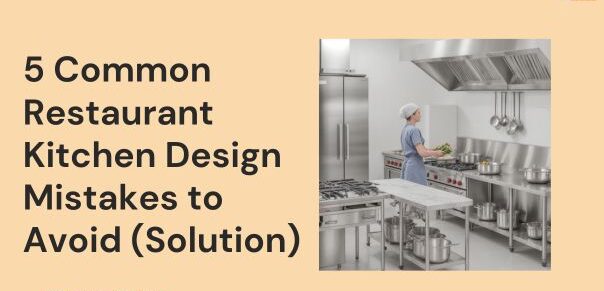
1. Ignoring Saudi Regulations & Compliance Requirements
One of the most common commercial kitchen planning mistakes is failing to consider local regulations during the early design stage.
Commercial kitchens in Saudi Arabia must comply with:
- Food safety standards
- Civil defense requirements
- Fire safety regulations
- Ventilation standards
- Utility and drainage codes
Ignoring these requirements can result in:
- Approval delays
- Expensive redesigns
- Installation issues
- Operational shutdowns
How to Avoid It
- Conduct compliance checks before starting the project
- Work with experienced kitchen consultants
- Ensure layouts meet Saudi regulations
2. Poor Workflow & Kitchen Layout Design
A poorly designed kitchen layout creates operational bottlenecks and reduces efficiency.
Common workflow problems include:
- Staff congestion
- Slow food preparation
- Cross-contamination risks
- Excessive movement between stations
Commercial kitchens should include properly organized zones for:
- Receiving
- Storage
- Preparation
- Cooking
- Cleaning
Poor Planning vs Proper Planning
| Poor Planning | Proper Planning |
|---|---|
| Staff congestion | Smooth workflow |
| Delayed food service | Faster operations |
| Cross-contamination risks | Improved hygiene |
| Increased labor effort | Better productivity |
How to Avoid It
- Design layouts around operational workflow
- Analyze peak-hour movement
- Prioritize ergonomic kitchen design
3. Choosing the Wrong Commercial Kitchen Equipment
Selecting equipment based only on price or brand popularity is another major mistake.
Commercial kitchens in Saudi Arabia often operate:
- Under high temperatures
- For extended hours
- With heavy production demands
Incorrect equipment can lead to:
- Frequent breakdowns
- High maintenance costs
- Increased energy consumption
- Reduced operational efficiency
How to Avoid It
Choose equipment based on:
- Menu requirements
- Production volume
- Kitchen size
- Energy efficiency
- Long-term operational needs
Reliable commercial kitchen equipment suppliers help businesses select durable and efficient equipment suited for Saudi conditions.
4. Underestimating Utility Requirements
Commercial kitchens require proper planning for:
- Electricity
- Gas supply
- Water systems
- Drainage
- Ventilation
Poor utility planning often causes:
- Equipment performance issues
- Safety risks
- Utility overloads
- Increased operating costs
How to Avoid It
- Conduct detailed site utility assessments
- Coordinate with engineers and contractors early
- Plan scalable utility systems for future growth
5. Ignoring Saudi Arabia’s Climate Conditions
Saudi Arabia’s climate directly affects commercial kitchen performance.
High temperatures and humidity can:
- Increase heat buildup
- Reduce equipment efficiency
- Shorten equipment lifespan
- Affect staff comfort and productivity
How to Avoid It
- Install proper ventilation systems
- Use heat-resistant equipment
- Improve insulation and cooling systems
Climate-responsive kitchen planning improves operational performance and energy efficiency.
6. Poor Food Safety & Hygiene Planning
Food safety is one of the most important aspects of commercial kitchen operations.
Common food safety mistakes include:
- Improper hygiene zoning
- Inadequate handwashing stations
- Unsafe storage layouts
- Cross-contamination risks
How to Avoid It
A properly planned commercial kitchen should include:
- Separate preparation zones
- Hygienic workflows
- Easy-to-clean surfaces
- Proper food storage systems
Commercial kitchen consultants help businesses design layouts that improve food safety compliance.
7. Inadequate Storage Planning
Storage planning is often overlooked during commercial kitchen projects.
Poor storage design can lead to:
- Workflow disruptions
- Inventory management issues
- Food waste
- Overcrowded workspaces
How to Avoid It
Include dedicated areas for:
- Dry storage
- Refrigerated storage
- Frozen storage
Proper storage planning improves kitchen organization and operational efficiency.
8. Failing to Plan for Future Expansion
Many commercial kitchens are designed only for current operational needs.
As businesses grow, kitchens may require:
- Additional equipment
- Increased production capacity
- Expanded preparation areas
Without scalable planning, future upgrades become expensive and disruptive.
How to Avoid It
- Design flexible layouts
- Plan expandable utility systems
- Leave space for future equipment additions
9. Ignoring After-Sales Support & Maintenance
Many businesses focus only on installation while ignoring long-term maintenance requirements.
Poor after-sales support can result in:
- Equipment downtime
- Delayed repairs
- Increased maintenance costs
- Operational disruptions
How to Avoid It
Choose suppliers that provide:
- Preventive maintenance
- Spare parts availability
- Technical support
- Fast repair services
Reliable support improves equipment lifespan and operational continuity.
10. Poor Coordination Between Stakeholders
Commercial kitchen projects involve multiple stakeholders, including:
- Owners
- Designers
- Contractors
- Consultants
- Equipment suppliers
Poor communication often causes:
- Design conflicts
- Installation delays
- Cost overruns
- Rework expenses
How to Avoid It
- Maintain clear communication channels
- Use integrated project planning
- Assign a dedicated project coordinator
Key Takeaways
- Poor commercial kitchen planning increases operational costs and delays
- Workflow efficiency directly affects kitchen productivity
- Utility planning is essential for equipment performance
- Climate conditions in Saudi Arabia impact kitchen operations
- Food safety zoning reduces contamination risks
- Scalable planning supports future business growth
- Reliable after-sales support improves operational continuity
Industry Insight
Studies show that poor commercial kitchen planning can increase operational costs by up to 30% due to inefficient workflows, energy waste, maintenance issues, and redesign expenses.
Future Trends in Commercial Kitchen Design
Modern commercial kitchens are evolving with:
- Smart kitchen automation
- IoT-enabled equipment monitoring
- Energy-efficient systems
- Sustainable ventilation solutions
- Predictive maintenance technologies
These innovations help businesses improve efficiency, reduce operational costs, and support Saudi Vision 2030 sustainability goals.
FAQs
What is the biggest mistake in commercial kitchen planning?
Poor workflow planning and incorrect equipment selection are the most common mistakes.
Why is utility planning important in commercial kitchens?
Utilities directly affect kitchen safety, equipment performance, and operational efficiency.
How can businesses avoid costly kitchen redesigns?
By conducting proper planning, workflow analysis, and compliance checks before installation.
Why is climate important in commercial kitchen design?
High temperatures in Saudi Arabia affect ventilation, equipment efficiency, and staff comfort.
Should commercial kitchens plan for future expansion?
Yes. Scalable layouts help businesses expand without expensive renovations later.
Why is after-sales support important?
Reliable maintenance services reduce downtime and improve equipment lifespan.
Conclusion
Commercial kitchen planning in Saudi Arabia requires careful coordination, technical expertise, and a deep understanding of operational requirements. Many costly problems originate from avoidable mistakes such as poor workflow design, incorrect equipment selection, inadequate utility planning, and ignoring local regulations.
By investing in proper planning and working with experienced commercial kitchen experts, businesses can create efficient, compliant, and future-ready kitchen environments. A well-designed commercial kitchen improves productivity, reduces operational risks, and supports long-term business growth.
In today’s competitive hospitality and food service industry, strategic kitchen planning is no longer optional it is essential for operational success.
Call to Action
Planning a commercial kitchen project in Saudi Arabia?
Contact Saudi Elan today for expert commercial kitchen planning, design, and equipment solutions tailored to your operational needs.