

A central kitchen equipment setup helps food businesses streamline production, maintain consistency, and efficiently supply multiple outlets from a single location. Setting up a central kitchen equipment is a major undertaking for any large-scale food business looking to improve efficiency, consistency, and scalability in food production. A well-planned central kitchen serves multiple outlets, such as restaurants, hotels, catering services, or institutional cafeterias, by streamlining food preparation, cooking, and distribution under one roof. Successful industrial kitchen planning focuses on equipment selection, optimized layout, and smooth workflow design.
Key Equipment for a Central Kitchen
Cooking Appliances
Heavy-duty ranges with multiple burners and stainless-steel construction provide reliable, high-output cooking surfaces. Convection ovens equipped with fans ensure even heat distribution, ideal for baking and roasting large batches. Steamers and combination (combi) ovens offer versatility, allowing multiple cooking methods such as steaming, baking, and convection in one unit, conserving space while enhancing capabilities. High-capacity deep fryers enable rapid, consistent frying for large volumes. Industrial tilting skillets or pans with motorized mechanisms facilitate easy cooking and serving of sauces, stews, and large quantities of food.
Refrigeration Units
Walk-in coolers and freezers provide ample temperature-controlled storage for raw ingredients and finished products, supporting large inventory needs. Reach-in refrigerators and freezers facilitate easy access to frequently used items. Some modern refrigeration units include energy-efficient compressors, advanced temperature control systems, and antimicrobial surfaces to maintain freshness and reduce spoilage.
Food Preparation Stations
Dedicated areas equipped with durable stainless-steel tables, prep sinks, chopping boards, and high-powered mixers, slicers, and food processors cater to diverse preparation needs, improving efficiency and hygiene. Ergonomic design reduces worker fatigue during repetitive tasks.
Storage Solutions
Ample dry storage racks and bins organize bulk ingredients and packaging materials systematically, optimizing space and workflow. Shelving units are often modular and adjustable to accommodate varying product sizes and inventory turnover rates.
Dishwashing Equipment
Commercial dishwashers with multi-stage washing and sanitizing cycles support hygiene standards expected in large-scale foodservice environments. Multi-compartment sinks assist with manual washing, rinsing, and sanitizing tasks, complemented by industrial grade drying stations.
Packaging and Holding Areas
Warming cabinets and heat lamps maintain food temperature before dispatch, ensuring quality upon delivery or serving. Packaging stations equipped with sealing machines and portion control equipment support efficient meal assembly and distribution.
Additional Equipment
- Exhaust and ventilation hoods with effective grease filtration and fire suppression systems ensure air quality and safety.
- Ice machines to supply fresh ice for cocktails, food preservation, and cooling.
- Beverage dispensers and coffee machines for integrated beverage service.
Careful selection and integration of these equipment pieces based on production volume, menu complexity, and space availability are vital for a smooth, efficient central kitchen equipment operation.
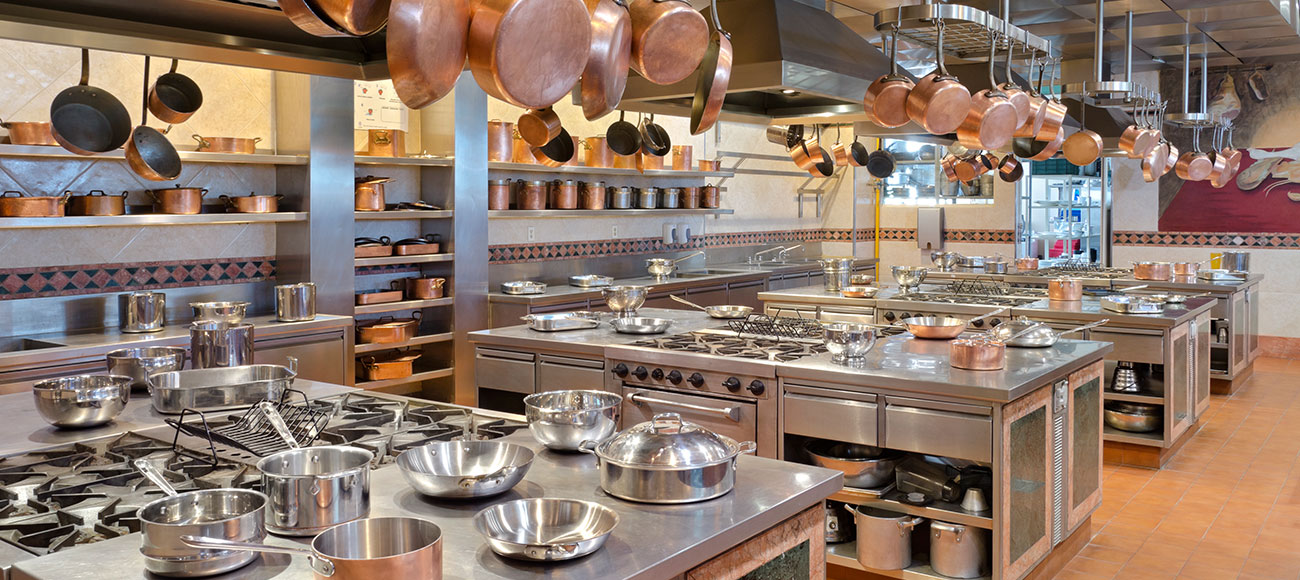
Optimizing Layout and Workflow
- Zoning: Organize the kitchen into distinct zones, receiving, storage, prep, cooking, plating, packaging, and cleaning, to minimize cross-contamination and maximize efficiency.
- Linear Flow: Design workflow so ingredients move smoothly from storage to prep, cooking, and finally dispatch without unnecessary backtracking or congestion.
- Space Utilization: Make efficient use of available space with modular equipment and vertical storage to accommodate volume without crowding.
- Ventilation and Safety: Install high-performance ventilation systems to handle heat and odours, with fire suppression and clearly marked emergency exits.
Additional Considerations
- Staff Movement: Design ergonomic workstations that reduce staff fatigue and improve productivity.
- Compliance: Ensure the setup meets local health and safety codes, including sanitation and fire regulations.
- Technology Integration: Incorporate smart kitchen equipment and inventory management software for real-time monitoring and process optimization.
Saudi Elan’s Central Kitchen Equipment Consultation Services
Saudi Elan provides expert design and setup consultations tailored to your business scale and cuisine style. Their team supports everything from equipment procurement to final layout planning, ensuring your central kitchen equipment meets efficiency, safety, and quality standards.
Book a design and setup consultation with Saudi Elan today to create a central kitchen equipment optimized for your operational success and growth.
Final Takeaway
A thoughtfully designed central kitchen equipment combines the right equipment with smart layout and workflow strategies to deliver consistent, high-volume food production with operational efficiency. Beyond the essentials of equipment and layout, modern central kitchen equipment also prioritize scalability, enabling food businesses to grow and adapt easily to changing demands. Sustainability is becoming central to design decisions, with energy-efficient appliances and environmentally friendly materials reducing both operating costs and ecological impact. Additionally, ergonomic considerations help create safer and more comfortable work environments, increasing staff productivity, and reducing fatigue. Through careful planning and execution, these central kitchen equipment can meet stringent food safety standards while optimizing resource use.
Partnering with experienced consultants like Saudi Elan helps food businesses build future-ready central kitchens that drive performance, quality, and profitability. Their expertise ensures that every aspect, from equipment procurement to workflow planning, is aligned with operational goals and compliance requirements. With the right guidance, businesses can achieve a seamless integration of technology, design, and process management, positioning themselves for long-term success in a competitive market. Investing in a professional central kitchen equipment setup is a strategic move that delivers measurable returns through enhanced efficiency, reduced waste, and consistent food quality.
FAQ – Central Kitchen Equipment Setup
What is a central kitchen equipment?
A central kitchen equipment is a large-scale food production facility that prepares meals for multiple outlets such as restaurants, hotels, and catering services.
What equipment is needed for a central kitchen?
A central kitchen equipment typically requires cooking appliances, refrigeration units, food prep stations, storage racks, dishwashing equipment, and packaging stations.
Why is central kitchen equipment layout important?
An optimized central kitchen equipment layout improves workflow, reduces cross-contamination, and increases efficiency in large-scale food production.